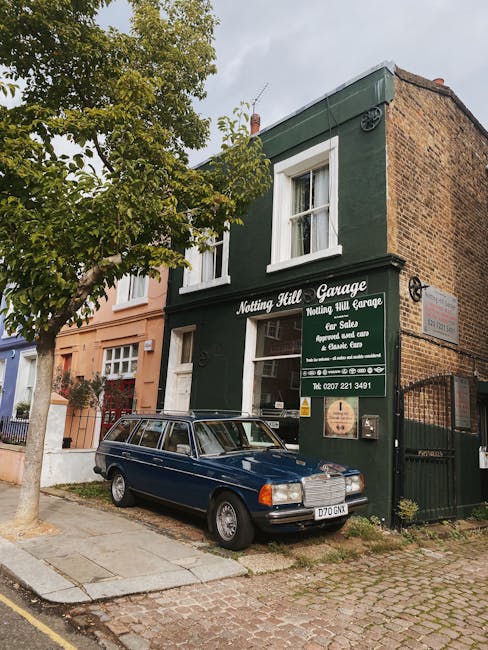
Notting Hill Garden Services Hidden Fees Common Problems to Avoid
If you've ever asked for garden help in Notting Hill and then felt slightly baffled by the final bill, you're not alone. Hidden charges, vague scope notes, and rushed assumptions are a real headache, especially in a neighbourhood where gardens can be compact, awkwardly accessed, or packed with mature planting. This guide on Notting Hill garden services hidden fees common problems to avoid breaks down what usually catches people out, how garden jobs are commonly priced, and what to check before anyone starts work. A little care up front can save a lot of stress later. Truth be told, it often saves the garden too.
Why Notting Hill garden services hidden fees common problems to avoid Matters
Garden services should be straightforward. In reality, they often aren't. A quote may look fair at first glance, then suddenly become less friendly once disposal charges, access issues, extra labour, or "unplanned" work appear on the invoice. That is the core problem behind Notting Hill garden services hidden fees common problems to avoid: people are not usually being dramatic, they are being surprised.
Notting Hill brings its own quirks. Many properties have narrow side access, basement steps, shared entrances, limited parking, or gardens that look simple until you start lifting old turf, overgrown shrubs, or broken timber. A good gardener will factor those realities into the quote. A sloppy one may not. And once the team has arrived, it can feel awkward to question the price. You're standing there with the bins open, the hedge trimmings piling up, and a van humming in the street. Not ideal.
Getting ahead of hidden fees matters for three reasons:
- Budget control: You can compare quotes properly instead of comparing half-truths.
- Better planning: You know what will be done, what counts as extra, and what can wait.
- Less conflict: Clear expectations reduce awkward conversations and last-minute disputes.
There's also a quality angle. When a service provider is transparent about pricing, they usually tend to be more organised about the work itself. Not always, but often enough to matter.
Practical takeaway: the cheapest quote is only useful if it covers the same work as the other quotes. If the scope is fuzzy, the price is basically fuzzy too.
How Notting Hill garden services hidden fees common problems to avoid Works
Most garden services in London use one of a few pricing models: fixed-price jobs, hourly work, or a hybrid arrangement. Each can be fine, but the hidden-fee risk changes depending on how the quote is written.
Fixed-price jobs
A fixed price is often best for one-off tasks such as garden clearance, hedge trimming, or a defined tidy-up. The key word is defined. If the provider has seen the garden, or at least has good photos and a clear brief, the price should reflect the job as described. Problems start when the scope is vague. "Do the garden" is not a scope. It is a wish.
Hourly work
Hourly pricing can suit ongoing maintenance, especially if the condition of the garden changes from visit to visit. But the risk is obvious: if the work takes longer than expected, the bill rises. That is not automatically unfair. It just needs proper communication about how time is tracked, what minimum charge applies, and whether travel or setup time is included.
Hybrid pricing
Some services quote a base price and then add extras if they find more waste, more roots, heavier pruning, or a more difficult access route. This can be fair, provided it is explained before work starts. If a provider says "we'll let you know if anything changes," that should not mean a surprise invoice after the fact.
In practice, hidden fees often appear through a few repeat problems:
- Waste removal not included: Green waste, bags, branches, and old soil may all be charged separately.
- Access assumptions: A quote based on easy rear access can change if the team has to carry everything through the house.
- Unexpected overgrowth: Heavily overgrown hedges or brambles take longer than a tidy garden.
- Additional materials: Compost, topsoil, gravel, and replacement plants may not be included.
- Minimum call-out fees: Small jobs can still have a fixed minimum charge.
That last one often catches people out. A five-minute task is still not a profitable morning for a crew if they've had to travel across London and park legally. Fair enough, really. But it should be disclosed clearly.
Key Benefits and Practical Advantages
To be fair, avoiding hidden fees is not just about saving money. It also improves the whole experience of hiring garden help. When expectations are clear, the work feels calmer, cleaner, and much more manageable.
- Cleaner quotes: You can see what is included and what is excluded.
- Better decision-making: You can choose between one-off work and regular maintenance with confidence.
- Fewer disputes: Everyone knows what was agreed before the first cut is made.
- More predictable outcomes: The finished garden is less likely to be "almost" what you wanted.
- Better value over time: Good maintenance often prevents expensive catch-up work later.
There is also a psychological benefit, which people sometimes forget. A tidy, well-managed outdoor space can feel oddly restorative. You notice it on a damp Tuesday morning or after a week of rain when the borders start looking heavy. If the pricing process is simple and fair, the whole thing feels lighter. Less mental clutter. And in a city like London, that matters more than it sounds.
If you want to understand the wider range of services that may be bundled into a quote, it can help to review a broader services overview before comparing providers. That makes it easier to spot what is a genuine extra and what should already be included.
Who This Is For and When It Makes Sense
This topic matters for more people than you might think. It is not only for homeowners with large gardens. In Notting Hill, plenty of small courtyards, basement patios, front gardens, and shared outdoor spaces need regular care too.
You may need to pay close attention to hidden fees if you are:
- a homeowner booking a one-off clear-up before an event or tenancy changeover
- a landlord needing regular maintenance with predictable costs
- a tenant who wants the garden improved but needs approval before larger work
- a busy professional who wants a reliable recurring service
- a property manager comparing several local contractors
It also makes sense if your garden has any of these features:
- poor access through narrow side paths or shared hallways
- dense hedging or mature shrubs that have not been cut back in a while
- heavy waste that will need removal by van rather than by bagging alone
- sloping ground, steps, or awkward corners
- older timber, decking, or fencing that may reveal extra repair work
In other words, the more complicated the garden, the more important the quote becomes. A simple tidy-up may be easy to price. A proper refresh? Not so simple. And that is exactly where people get caught.
Step-by-Step Guidance
If you want to avoid hidden fees, the best approach is not complicated. It is just disciplined. A few clear steps before booking can make a huge difference.
1. Describe the garden properly
Don't say "small garden" if it is actually a tight but cluttered space with overgrown edges, stubborn ivy, and a compost heap nobody has dealt with since spring. Mention the access, the current condition, and the result you want. Photos help. Short videos help even more, especially if the route to the garden is awkward.
2. Ask what is included
Request a written breakdown. Ask directly about labour, travel, waste disposal, parking charges, materials, and VAT if applicable. A good provider will not mind the question. In fact, a well-run service should appreciate it.
Useful questions include:
- Is waste removal included or charged separately?
- Are materials, plants, or soil included?
- Does the quote cover both labour and disposal?
- What happens if the job takes longer than expected?
- Is there a minimum charge?
3. Clarify access and parking
This is one of the most common Notting Hill issues. If a crew needs to unload tools far from the property or carry waste through the house, the job can take longer. Mention parking restrictions, loading access, gated entrances, key collection, and any time limits. A few minutes of honesty now saves a lot of back-and-forth later.
4. Separate routine maintenance from one-off work
Routine garden maintenance is usually easier to budget for than a rescue job. Ongoing visits can cover mowing, edging, hedge trimming, and tidy borders. One-off work may involve heavier labour, more waste, and a more variable finish. If the garden has slipped, expect the cost structure to be different.
5. Confirm the timing of any extras
If something unexpected comes up, ask for approval before the work continues. That way you can decide whether the extra work is necessary now or can wait. A respectful service provider should stop and check rather than quietly keep going.
6. Keep the quote and notes
Save the message thread, written estimate, or job summary. If there is ever a disagreement, that paper trail matters. Old-fashioned, maybe. Useful? Absolutely.
For a deeper look at how pricing mistakes happen in the first place, this related article on pricing mistakes to avoid is a good companion read.
Expert Tips for Better Results
Once you know the basics, a few small habits can make your booking much smoother. These are the kinds of details people skip, then regret. Happens all the time.
Get specific about outcomes
Instead of saying "make it look nice," describe what "nice" means to you. Do you want low-maintenance borders? A sharper lawn edge? More light? More privacy? Fewer leaves? The clearer the outcome, the less likely it is that you'll be quoted for the wrong type of work.
Think seasonally
Garden jobs are not equal all year round. After storms, in peak growth periods, or during leaf drop, there may be more labour and more waste. If you book at the busy end of the season, expect tighter scheduling and possibly more variation in scope. A bit of patience can help here.
Ask about disposal before the first cut
Waste removal is a classic extra. Branches, clippings, soil, old pots, and broken timber all add up. If the contractor is removing waste, ask how they charge it. By volume? By load? By bag? It sounds boring, but it is exactly where costs drift.
Don't over-negotiate the wrong thing
Trying to shave a few pounds off a quote without understanding the full scope can backfire. You might reduce the price and also reduce what gets done. Not a great trade. Better to ask for the quote to be revised clearly than to chop out essentials and hope for the best.
Watch for vague language
Phrases like "subject to inspection," "from," or "as required" are not automatically bad. But if too many lines in the quote are open-ended, the final bill may not match your expectation. A careful quote should state where flexibility exists and where the price is firm.
Expert summary: the safest garden service is not the one with the shortest quote. It is the one that explains the boundaries well enough that nobody has to guess.
Common Mistakes to Avoid
Most problems come from a handful of repeat mistakes. The good news is that they are all avoidable once you know what to look for.
- Accepting a verbal quote only: If the price is only said out loud, details get fuzzy fast.
- Ignoring disposal fees: This is one of the easiest ways for the final cost to rise unexpectedly.
- Assuming access is simple: What looks easy from the pavement may be awkward once tools and waste are involved.
- Booking the cheapest option without comparing scope: The lowest number can be misleading if it excludes key work.
- Failing to mention overgrowth: Long grass, brambles, and heavy pruning usually change the job.
- Not asking about materials: Compost, mulch, plants, and edging supplies may not be included.
- Forgetting about parking or loading time: In London, time spent finding legal access is still time.
One more, and it is surprisingly common: people agree to "whatever is needed" because they want to be helpful. That sounds easy on the day, but it can open the door to extra work you didn't actually want. Helpful for the gardener, not always helpful for you.
Tools, Resources and Recommendations
You do not need specialist software or anything fancy to avoid hidden charges. Simple tools and habits are usually enough.
- Phone camera: take wide shots and close-ups of problem areas before quoting.
- Notes app: list exactly what you want done and what should not be touched.
- Measuring tape: handy for hedges, borders, and access widths where relevant.
- Calendar reminders: useful for recurring maintenance or seasonal jobs.
- Existing service records: if you've used garden help before, compare what was included last time.
It can also help to look at the provider's wider service pages, not just the headline offer. For example, if your job includes hedges or heavier clearance work, those service details may explain what kind of labour is normally involved. Pages on hedge trimming, garden clearance, and ongoing garden maintenance can help you understand how different jobs are usually approached.
If your garden includes larger structural or design changes, the scope can move beyond routine maintenance. In those cases, services such as landscape gardening, landscaping, or even tree lopping and removal may come into play. These are different jobs with different cost drivers, so it is worth separating them clearly from simple tidy-up work.
For a related practical angle, the blog article on garden prep in Portobello Road-style spaces offers useful context for compact urban gardens that need a bit of planning before work begins.
Law, Compliance, Standards, or Best Practice
Garden services are not the same as regulated building work, but there are still sensible compliance and best-practice points to keep in mind. You don't need to become a contract lawyer overnight. Thank goodness. Still, a few basics matter.
Written terms: The provider's terms and conditions should explain payment, cancellations, scope changes, and complaint handling. If something goes wrong, that document matters more than memory.
Insurance and safety: For any work involving ladders, machinery, heavy lifting, or tree work, it is reasonable to ask about insurance and safety practices. A professional provider should be able to explain how they manage risk on site.
Health and safety: Safe handling of tools, waste, and sharp cuttings should be part of normal practice. Paths should be kept clear where possible, and any hazards should be identified before work starts.
Waste and disposal: Green waste should be managed responsibly. You do not need a lecture on composting, but you do need to know whether the waste is being taken away, left on site, or charged separately.
Complaints procedure: If something is not as agreed, a clear complaints route is a good sign. It shows the business has thought beyond the first invoice.
For transparency on wider operational policies, you may also want to review the site's insurance and safety information, health and safety policy, and complaints procedure. Those pages are useful because they show how the business thinks about risk, service quality, and resolution if things do not go smoothly.
Options, Methods, or Comparison Table
If you're deciding how to book garden work, it helps to compare the main options side by side. Different jobs suit different pricing styles. There is no single best answer, annoyingly. But there is usually a better fit.
| Approach | Best for | Pros | Watch-outs |
|---|---|---|---|
| Fixed-price quote | Defined one-off jobs | Clear budget, easier comparison | Can exclude extras if the scope is vague |
| Hourly rate | Ongoing maintenance or uncertain tasks | Flexible, useful for evolving work | Costs can rise if the job expands |
| Base price plus extras | Complex gardens with variable conditions | Can be fair when explained properly | Requires strong communication to avoid surprises |
| Regular maintenance plan | Busy households, landlords, managed properties | More predictable over time | Needs clear visit frequency and task list |
In most Notting Hill gardens, the best outcome comes from a fixed or regular arrangement with a well-defined scope. If the work is more variable, make sure the provider tells you exactly how extras are approved. That one point alone can save a lot of frustration.
Case Study or Real-World Example
Here's a realistic scenario. A Notting Hill resident books a spring tidy-up for a small rear garden. From the street, it looks straightforward: some lawn edging, a hedge trim, and a bit of pruning. The quote seems reasonable. But once the team arrives, they discover the access route is through a narrow hallway, the hedge has grown much thicker than the photos suggested, and there are several bags of old cuttings already sitting in the corner. Suddenly the job takes longer, waste volume increases, and the original estimate no longer matches the actual work.
Now compare that with a better approach. The resident sends clear photos, mentions the access route, explains that the hedge has not been cut for months, and asks whether waste removal is included. The provider revises the quote before the visit. The final bill is not lower by magic, but it is far less surprising. That's the real win.
A similar pattern shows up with regular maintenance too. When a garden is seen every few weeks, small issues stay small. A one-off rescue job, by contrast, often includes tangled growth, hidden debris, and more disposal time. Small difference in timing. Big difference in cost. Funny how that works.
Practical Checklist
Use this checklist before confirming any garden booking in Notting Hill:
- Do I have a written quote or estimate?
- Does the quote list labour, disposal, and materials separately?
- Have I described access, parking, and entry clearly?
- Did I mention any overgrown areas or problem spots?
- Do I know whether waste removal is included?
- Have I asked how extra work will be approved?
- Do I understand the minimum charge, if there is one?
- Is the work one-off or part of ongoing maintenance?
- Have I checked the provider's terms, safety, and complaint process?
- Do I know exactly what result I want from the visit?
If you can tick most of those boxes, you are in a much better place than most people who simply say yes and hope for the best. And hope is not a pricing strategy.
Conclusion
Hidden fees and garden service problems are usually not about one giant mistake. They come from lots of small assumptions: unclear access, unlisted waste charges, vague scope notes, and the common tendency to underestimate how much work an overgrown garden really needs. Once you understand those pressure points, hiring garden help becomes far less stressful.
In Notting Hill, where outdoor spaces can be compact, private, and a bit fiddly, the best protection is clear communication. Ask direct questions, get the scope in writing, and make sure the quote matches the garden you actually have, not the one everyone wishes it was. That simple shift can save money, time, and a fair bit of hassle.
Get a free quote today and see how much you can save.
And if you're still weighing things up, that's fine too. A careful decision now usually leads to a calmer garden later, which is a lovely thing on a busy London week.
Frequently Asked Questions
What are the most common hidden fees in garden services?
The most common extras are waste removal, disposal of heavy cuttings, additional labour for overgrown areas, parking or access-related time, and materials such as soil or compost. Sometimes a quote looks complete until one of those items is added later.
How do I know if a garden quote is fair?
A fair quote should explain what is included, what is excluded, and how extra work will be approved. If two quotes differ a lot, compare the scope line by line before deciding. Price alone rarely tells the full story.
Should waste removal always be included?
Not always, but it should be stated clearly either way. Some providers include it in the total, while others charge separately based on volume or load. The important thing is clarity before work starts.
Why are Notting Hill gardens often more expensive to maintain?
Not all are, but many have access challenges, limited parking, small but intricate layouts, or heavy planting that takes time to maintain. In a compact London setting, logistics can matter as much as the gardening itself.
Is hourly pricing or fixed pricing better?
Fixed pricing is usually better for clearly defined jobs. Hourly pricing can work for variable or ongoing tasks. If you want budget certainty, a fixed quote with a clear scope is often easier to manage.
What should I ask before booking a gardener?
Ask what is included, whether waste removal is extra, how access affects pricing, whether materials are charged separately, and what happens if the job turns out to be larger than expected. Straightforward questions, yes, but they help a lot.
Can hidden fees be avoided completely?
Not always, because some jobs genuinely change once work begins. But they can be reduced dramatically with photos, a written quote, and a clear agreement on extras before the visit.
What if the gardener finds more work than expected?
They should explain the issue and ask for approval before proceeding with anything beyond the agreed scope. If they don't, that's a warning sign. A simple pause and update is the professional approach.
Do I need a maintenance plan or just a one-off visit?
If the garden gets messy quickly or needs regular upkeep, a maintenance plan may be better value. If you only need a seasonal tidy-up or pre-event spruce-up, a one-off visit might be enough.
How can I compare garden services without getting confused?
Use the same list of questions for every quote: labour, waste, materials, access, timing, and extras. That gives you a like-for-like comparison instead of comparing apples with pears.
What documents should I keep after booking?
Keep the quote, any written changes, messages about access or scope, and the final invoice. If there is ever a dispute, those records are far more useful than memory alone.
Where can I find more information about the company's policies?
It helps to review the provider's policy pages, especially anything covering payment, safety, terms, and complaints. Those details can give you a better sense of how the business handles real-world jobs and issues.