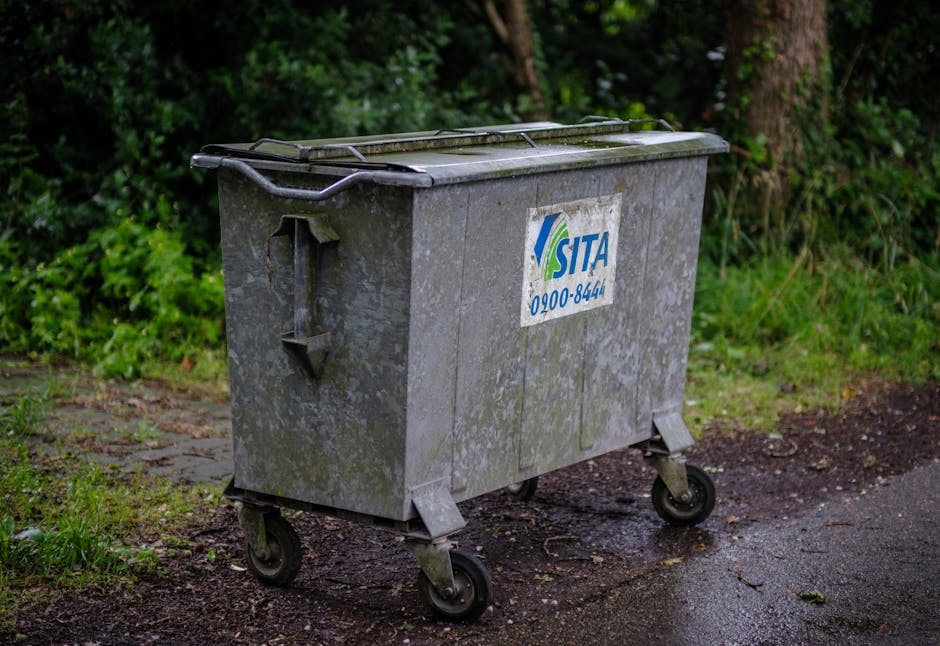
Notting Hill council garden waste rules for gardeners: a practical guide for local gardens
If you garden in Notting Hill, you already know the rhythm of the place: clipped front borders, shared mews spaces, tiny back gardens, and the occasional jungle after a wet week. The trouble starts when pruning piles up, lawn cuttings swell, and you realise the green bin is full again. That is where understanding the Notting Hill council garden waste rules for gardeners really pays off. It helps you stay compliant, keep your garden tidy, and avoid the all-too-common mistake of mixing garden waste with general rubbish.
This guide breaks the topic down in plain English. You'll see how the system typically works, what counts as garden waste, how gardeners can manage cuttings efficiently, and what to do when you have more material than a normal collection can handle. We'll also cover practical best practice, common slip-ups, and the sort of day-to-day decisions that make a real difference in London gardens. To make the next step easier, you'll also find useful internal guidance such as garden clearance services in London, garden maintenance services, and hedge trimming services.
Table of Contents
- Why Notting Hill council garden waste rules for gardeners Matters
- How Notting Hill council garden waste rules for gardeners Works
- Key Benefits and Practical Advantages
- Who This Is For and When It Makes Sense
- Step-by-Step Guidance
- Expert Tips for Better Results
- Common Mistakes to Avoid
- Tools, Resources and Recommendations
- Law, Compliance, Standards, or Best Practice
- Options, Methods, or Comparison Table
- Case Study or Real-World Example
- Practical Checklist
- Conclusion
- Frequently Asked Questions
Why Notting Hill council garden waste rules for gardeners Matters
Garden waste sounds simple until you are knee-deep in cuttings. Then the details matter. Councils across London generally want garden waste separated from household rubbish because it can be recycled or composted more effectively. In a densely built area like Notting Hill, that separation is even more useful. Space is limited, collections are timed, and bins are often shared or closely managed. A small mistake can quickly become a nuisance for you, your neighbours, and anyone collecting waste.
For gardeners, the rules matter for three very practical reasons. First, they influence what you can put out and how often. Second, they affect whether you need extra bags, a paid collection, or an alternative disposal method. Third, they can shape the way you plan work in the garden. A hedge reduction on a windy Thursday afternoon is one thing; a full border clear-out after a wet weekend is another. If you know the rules before you start, the job is smoother. Simple as that.
There's also a professional reputation angle if you work in the area. Gardeners are often judged by how tidy they leave a site, not just how the borders look. A neat finish matters. The pile of waste at the kerb matters too. For homeowners, landlords, and anyone managing communal outdoor spaces, understanding local council expectations helps avoid complaints and keeps the whole project feeling under control.
And let's face it: nobody wants to do a lovely job in a courtyard garden, only to discover they've created a disposal headache at the end. Not exactly the grand finale you planned.
How Notting Hill council garden waste rules for gardeners Works
The exact collection setup can vary depending on the local authority arrangement, your property type, and the collection service available to your street. But the underlying idea is usually consistent: garden waste should be kept separate from general household waste, food waste, and non-organic rubbish.
In practice, gardeners usually need to think about four things:
- What goes in the garden waste stream - grass cuttings, leaves, small branches, weeds, plants, and similar organic material.
- What does not belong there - soil in large quantities, rubble, plant pots, plastic ties, packaging, treated wood, and general rubbish.
- How it must be presented - in a council bin, approved sack, bundle, or another accepted container if the local rules allow it.
- When it can be collected - on the scheduled day, through a booked service, or by taking it to an approved disposal point if needed.
If you are managing regular upkeep, it helps to treat waste handling as part of the job rather than an afterthought. For example, a routine lawn cut creates soft waste that compresses well. A full shrub cut-back from a back garden near Portobello Road, on the other hand, can be bulky and awkward. The difference changes everything, from bagging to loading to collection planning.
Some gardeners also use separate service support for jobs that produce heavier volumes, which can be useful when a property needs more than the usual bin-based collection. If that sounds familiar, pages such as garden clearance services in London and weed removal services can help you think through the practical side of disposal alongside the garden work itself.
Key Benefits and Practical Advantages
Following council garden waste rules is not just about avoiding hassle. Done well, it brings a few real advantages that make life easier for gardeners and property owners alike.
| Benefit | What it means in practice | Why it matters in Notting Hill |
|---|---|---|
| Cleaner collections | Waste is easier to lift, sort, and remove | Less chance of bin overflow on narrow streets |
| Better recycling | Organic material can be processed separately | Supports more efficient local waste handling |
| Fewer missed pickups | Correctly presented waste is less likely to be left behind | Important when collection space is tight |
| Less mess on site | Garden jobs finish more neatly | Helps with shared entrances, mews lanes, and front gardens |
| Lower risk of complaints | Neighbours see a tidy, organised process | Worth a lot in close-knit residential streets |
There is also a hidden benefit: better planning. Once you know what the waste route looks like, you can size up a job more accurately. That means fewer last-minute surprises, fewer additional trips, and less time standing around with a pile of hedge trimmings wondering where on earth they are going next.
For professional gardeners, this can even improve scheduling. A maintenance visit, for example, may only need light disposal handling, while a bigger seasonal tidy-up may justify using a broader service such as garden maintenance services or targeted help like hedge trimming services if the pruning load is likely to be heavy.
Who This Is For and When It Makes Sense
This guide is useful for a few different people, and honestly, they are often dealing with the same basic problem in slightly different ways.
- Homeowners who do their own gardening and need a clear, low-stress way to dispose of waste.
- Landlords and managing agents looking after small front gardens, shared spaces, or rental properties.
- Professional gardeners who want to stay organised and avoid awkward collection issues.
- Busy residents who only garden occasionally but still want to get it right when pruning season rolls around.
- People tackling one-off clearances after overgrowth, renovation, or a long period of neglect.
It makes the most sense whenever your garden produces more than a few handfuls of green waste. That includes hedge cutting, border tidying, lawn edging, ivy removal, seasonal leaf fall, or a straightforward spruce-up after a few weeks away. In London, and especially in compact neighbourhoods like Notting Hill, waste volume can build faster than you expect. One decent afternoon and the bags multiply. Funny how that happens.
If you are mainly dealing with overgrown sections, you might also find support pages such as overgrown garden clearance in London useful as a next step, particularly when a garden needs more than routine trimming.
Step-by-Step Guidance
If you want a practical approach, use the same process each time. It saves effort and reduces the chance of wasting a collection slot or creating a messy pile that sits around all weekend.
- Identify the waste before you start. Decide what you are removing: grass, leaves, branches, weeds, dead plants, or a mixture.
- Separate garden waste from everything else. Keep plastics, cans, packaging, pots, and general rubbish out of the pile from the beginning.
- Break down bulky material. Cut long branches into manageable sections and shake soil from roots where possible.
- Use the correct containers. Follow the local collection method for bins, sacks, or bundles. Overfilling is a common headache.
- Store waste safely until collection. Keep it dry if you can, and avoid blocking paths or shared access points.
- Put it out at the right time. Don't leave collections sitting out too early, especially where streets are narrow or shared.
- Check what happens with special materials. Large quantities of soil, timber, or invasive plant material may need a different route.
A small example: imagine a gardener finishing a courtyard tidy-up at 4:30pm on a Thursday. There is a pile of laurel trimmings, half a bag of leaves, and some old bedding plants. If they separate the waste as they go, the end of the job is tidy and quick. If they don't, they end up sorting it in the fading light with gloves on and compost on the paving. Not ideal. And yes, that is the sort of thing that happens more often than people admit.
For bigger jobs, especially if access is tight or the garden is hidden behind a building, it can be worth planning the waste route before the first cut. That is one reason many people combine routine garden work with a service like landscaping services or tree surgery services when the project involves heavier cuttings or structural pruning.
Expert Tips for Better Results
These are the small details that make the whole process smoother. None of them are complicated, but they save time and reduce friction.
- Work in stages for bigger gardens. Don't leave all the pruning until the end. Clear as you go, especially with hedges and shrubs.
- Use the right cut size. Long stems and awkward branches are harder to handle and often waste space.
- Keep a separate "non-green" bucket. It stops you mixing in ties, labels, and packaging without thinking.
- Watch the weather. Wet leaves and saturated clippings get heavy fast, which makes lifting harder. A dry morning is a gift.
- Plan around shared access. In mews houses or communal entrances, a neat stack is better than a sprawling pile. Always.
- Know your recurring waste pattern. If your garden always creates the same kind of load in spring and autumn, plan for it in advance.
One underrated tip: keep a small folding tarp or reusable sack in the shed. It sounds boring. It is boring. But it makes moving cuttings from bed to bin much easier, especially on narrow paths where a wheelbarrow feels one size too big.
Another simple win is to schedule heavier jobs on the same day as collection where possible. That's not always practical, of course, but when it works, it saves an extra round of handling. Less moving, less mess.
Common Mistakes to Avoid
Most problems with garden waste are not dramatic. They are small, avoidable slips. The sort that seem harmless at the time and then create a mess later.
- Mixing garden waste with general rubbish. This is probably the most common mistake and the easiest to avoid.
- Putting in soil or rubble. A few roots are one thing; large clods of earth or broken paving bits are another.
- Overfilling containers. An overstuffed bag or bin is awkward to lift and may not be accepted.
- Leaving waste out too early. Especially in busy streets, early placement can create clutter or even nuisance complaints.
- Ignoring bulky material. Bigger branches, roots, and woody waste often need different handling than soft cuttings.
- Assuming every council service is identical. Collection rules and service options can differ, even within London. Better to check than guess.
Another mistake? Treating a garden waste pile like it will magically shrink overnight. It won't. The pile is usually lying to you.
If you are already dealing with a large clear-up, it can be sensible to build the disposal plan into the work from the start. A service page like garden clearance services in London is often the sort of support people look at when the job has outgrown a simple bin strategy.
Tools, Resources and Recommendations
You do not need a shed full of specialist kit to handle garden waste properly. Still, a few basics make life much easier.
- Sturdy gloves for handling prickly or damp material.
- Bypass secateurs for clean cuts on smaller stems.
- Loppers for thicker branches and shrubs.
- A rake for leaves, moss, and loose material.
- Reusable sacks or tarps for moving waste neatly.
- A wheelbarrow or garden trug if access allows it.
For larger or recurring jobs, it can help to keep a simple waste log for the property. Nothing fancy. Just a note of what kind of waste is generated through the year and when. That can help you predict busy periods like spring cut-back or autumn leaf fall. It is especially useful for landlords, caretakers, and gardeners managing several small plots.
If the garden includes heavy pruning, structure work, or borderline overgrowth, you may also want to pair your waste planning with hedge trimming services, tree surgery services, or weeding services so the disposal route matches the size of the job.
Law, Compliance, Standards, or Best Practice
For gardeners, the most sensible approach is to follow the relevant local collection rules carefully and treat garden waste as a separate waste stream. In the UK, garden waste is commonly managed through council collection services, private licensed services, or approved disposal routes. The exact process can vary, so avoid assuming that what worked in one borough will be accepted in another.
The key compliance principles are straightforward:
- Do not contaminate organic waste with general rubbish or recyclable household materials that belong elsewhere.
- Do not leave waste where it creates a hazard or obstructs shared access.
- Use approved collection methods for the local area and property type.
- Handle special materials separately if they fall outside normal garden waste, such as large amounts of soil, timber, or invasive plant material.
Best practice also includes being careful with wildlife and neighbours. Nesting birds, hedgehogs, and other small creatures can hide in dense piles of clippings or brush. If you are clearing thicker growth, take a moment to check before bundling everything up. It is a tiny pause that can matter a lot.
If the property has communal gardens or shared bins, it is worth agreeing a simple routine with residents or the managing agent. That avoids confusion and keeps everyone on the same page. Nothing fancy, just clear expectations.
Options, Methods, or Comparison Table
There is more than one way to handle garden waste in Notting Hill, and the right option depends on how much material you have, how often you garden, and how tight the access is.
| Method | Best for | Pros | Limitations |
|---|---|---|---|
| Council collection | Regular, moderate volumes of green waste | Convenient, routine, usually straightforward | May have container and schedule limits |
| Private garden clearance | One-off or larger clear-outs | Flexible, handles bulk well, saves time | Usually more expensive than using a bin |
| Self-haul to disposal point | People with transport and smaller loads | Hands-on control, useful for occasional jobs | Time-consuming, awkward without a van |
| On-site composting | Suitable gardens with space and the right material | Reduces waste, supports soil improvement | Not practical for all properties, especially small urban gardens |
For many Notting Hill gardens, the best answer is a combination. Soft green waste can go through normal channels, while larger seasonal jobs may need additional help. A compact front garden and a shaded rear courtyard do not create the same kind of waste, so there is no one-size-fits-all approach. Truth be told, that is exactly why planning beats guessing.
Case Study or Real-World Example
Take a small terrace garden just off a busy residential street. The owner had let the back border get a bit wild over winter, nothing dramatic, just a tangle of dead stems, ivy, and fallen leaves. A spring tidy-up turned into a bigger job than expected. By the time the pruning was done, there were three distinct waste types: soft green cuttings, woody branches, and a small amount of soil from lifting old plants.
Instead of tossing everything together, the gardener split the material into separate piles. The soft waste went into the garden waste container. The woody cuttings were bundled down to manageable lengths. The soil was kept separate for appropriate disposal. It took a little longer at the start, but the end of the job was neat, quick, and much easier to move through a narrow side passage. No clumsy dragging across paving. No random mix of bits and pieces. Just a clean finish.
That is the pattern that tends to work best in Notting Hill. Small spaces need tidy habits. The easier your disposal system is, the more likely you are to keep the garden under control all year, not just after a big cut-back. And that, in a way, is the whole point.
Practical Checklist
Use this checklist before and after a garden job. It keeps things calm when the workload starts to pile up.
- Confirm what local garden waste can be collected.
- Separate green waste from rubbish, packaging, and hard materials.
- Break down branches and bulky stems into manageable pieces.
- Keep soil, rubble, and timber out of the garden waste pile unless specifically accepted.
- Use suitable bags, bins, tarps, or bundles.
- Check collection timing so waste is not left out too long.
- Plan for extra volume after hedge cuts, tree work, or seasonal clear-outs.
- Protect shared paths, entrances, and neighbours' access.
- Store waste safely if collection is delayed.
- Review whether a regular maintenance plan would save time next month.
Expert summary: The easiest way to stay on top of garden waste in Notting Hill is to treat disposal as part of the gardening job, not a separate chore. Sort early, keep loads manageable, and match the method to the size of the work.
If you garden in Notting Hill, the rules are far easier to live with once you build a routine around them. Keep green waste separate, plan for the size of the job, and use the right disposal route for the amount you are creating. That approach saves time, avoids mess, and makes even a big tidy-up feel manageable. If you want to turn one-off chaos into a simple system, start with the small stuff first. The rest tends to fall into place.
Get a free quote today and see how much you can save.
Frequently Asked Questions
What counts as garden waste in Notting Hill?
Garden waste usually includes grass cuttings, leaves, weeds, hedge trimmings, small branches, dead plants, and similar organic material. Soil, rubble, pots, plastic ties, and general rubbish normally do not belong in the same stream.
Can I put branches in the garden waste bin?
Small branches are often accepted if they are cut down to a manageable size, but bulky woody material may need to be bundled separately or handled through another route. It is best to keep branches neat and not overfill the container.
Do Notting Hill council garden waste rules for gardeners allow soil?
Soil is commonly treated differently from soft green waste. Small accidental amounts may not be a major issue, but large quantities usually need separate disposal. If in doubt, keep it out of the garden waste load and check the local guidance.
Can I leave garden waste out on the pavement before collection?
Only if the local collection method allows it and you have followed the correct rules for timing and presentation. Leaving waste out too early can cause clutter and may create problems in busy streets or shared entrances.
What should I do after a big hedge cut?
Split the waste into smaller bundles, remove non-green material, and decide whether the normal collection service is enough. Big hedge cuts often produce more waste than people expect, so a separate clearance service may be more practical.
Is composting a good option for small Notting Hill gardens?
Sometimes, yes. If you have space and mostly produce soft green waste, composting can be a helpful way to reduce the amount you need to dispose of. In very small urban gardens, though, it may not be practical for every household.
What is the most common mistake gardeners make with garden waste?
The most common mistake is mixing garden waste with general rubbish or packaging. Another frequent one is overfilling bags or bins, which makes collections awkward and sometimes leads to items being left behind.
How can professional gardeners stay compliant more easily?
Professional gardeners usually do best when they plan disposal before the job starts, keep separate containers ready, and size the work to the available waste route. For recurring properties, a simple routine saves a lot of faff.
What if my garden produces more waste than the council collection can handle?
That is when a private clearance option becomes useful. It can be a better fit for one-off clear-outs, overgrown gardens, or jobs with bulky material. Services such as garden clearance services in London are often the next practical step.
Can I mix weeds with other green waste?
Usually yes, as long as the weeds are organic plant material and not contaminated with soil, plastic, or household rubbish. If you are dealing with a heavy infestation or invasive growth, keep it separate and handle it carefully.
Do I need different waste handling for tree work?
Often, yes. Tree work can create much bulkier and woodier waste than normal pruning. In that case, support from tree surgery services or a clearance plan may make the job much easier.
How do I keep shared garden waste areas tidy in a block or mews?
Use labelled containers where possible, agree a simple routine with neighbours or the managing agent, and avoid leaving loose material around access routes. In close London spaces, a tidy system is worth its weight in compost.